Service Pumping & Drain Co. serves eastern Massachusetts with comprehensive pumping and septic services for commercial customers including restaurants, colleges and universities, industrial facilities, residential facilities, and more. Organizations throughout our region have trusted our expertise for over 85 years to help protect their properties and keep their septic systems running smoothly through regular maintenance and servicing.
Proactive maintenance is one of the best ways to manage repair costs and reduce service disruptions in large-capacity systems in commercial and industrial buildings. Learn more about these benefits and our commercial septic system pumping and maintenance services.
Maintaining Large-Capacity Septic Systems
Any commercial property with a septic system needs to have a pumping and maintenance plan in place for the health and safety of its employees, clients, and local environment. Service Pumping & Drain Co. recommends regular septic system cleaning services for several reasons.
Preventing System Damage
Septic pumping helps prevent clogs, backups, and other malfunctions that could disrupt operations. Unmaintained systems can overflow, leading to:
- Wastewater backups inside the building.
- Environmental hazards like soil contamination or water pollution.
- Costly repairs or complete system replacements.
Safeguarding Public Health and Safety
Septic system failures pose risks to employee, occupant, and customer health and safety. Overflow can cause unpleasant odors and create unsanitary conditions, resulting in complaints, potential fines, and even litigation. Regular pumping safeguards public health and ensures that your commercial property maintains compliance with health regulations.
Complying with Environmental Requirements
Overflowing septic systems can harm nearby ecosystems by polluting groundwater and soil. Routine maintenance minimizes the release of harmful bacteria, nutrients, and contaminants into the wild. This is particularly important in areas with protected water sources or sensitive environments.
It’s also critical for controlling nitrates and nitrogen pollution. Nitrates in the groundwater can cause dangerous syndromes like methemoglobinemia. Massachusetts also regulates the installation and use of large-capacity septic systems in Nitrogen Sensitive Areas (NSAs) around Cape Cod to mitigate nutrient pollution. Keeping your system well-maintained and upgrading with newer technologies can help you stay compliant with changing regulations.
Saving Money
If you don’t plan for maintenance, your septic system will eventually lose its leaching capacity. Scheduled pumping reduces the likelihood of costly repairs and extends the life of your leach field. By catching potential issues early, you can avoid fines, legal troubles, and expensive downtime.
Maintaining and Improving Property Values
Keeping large-capacity septic systems in good condition with thorough maintenance and inspection logs protects your commercial property’s value. You can reduce long-term operating expenses, control for costly repairs, and demonstrate that the property is well-maintained to potential buyers and tenants. This can be a competitive advantage in commercial markets when buyers want to know the building’s history and mitigate their risk of unseen maintenance problems.
Improving Occupant Experience
One of the most direct benefits of regularly cleaning and maintaining your septic system is that it stays functional, with a lower risk of flooding, backflow, plumbing disruption, and unpleasant odors. This is very important for occupant retention, as repeated plumbing issues drive tenants to leave as soon as their lease allows or, in commercial business buildings, damage their own business’s reputation and brand. Routine maintenance allows property managers to stay on top of emerging repairs and decrease negative experiences for everyone in your buildings.
What Does Septic System Cleaning Entail?
Commercial septic systems, often called large-capacity septic systems, are designed to serve 20 or more people per day, making regular maintenance essential. Pumping ensures that both liquid and solid waste are appropriately removed to prevent blockages and system failure, which could bring your commercial operations to a halt.
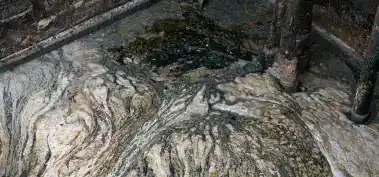
Cleaning begins with making sure the septic tank is maintaining its proper operating level. This also includes making an assessment of the sludge and scum layers that have accumulated to look for unusual activity and adjust future cleaning and pumping intervals if necessary.
What’s the Pumping Process?
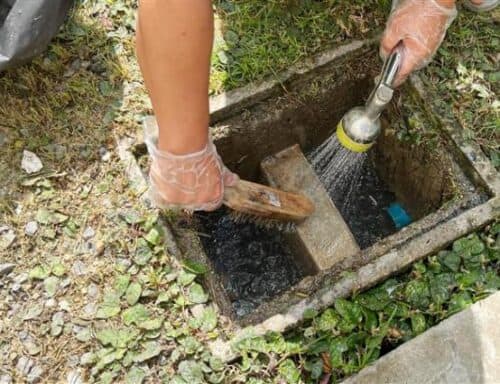
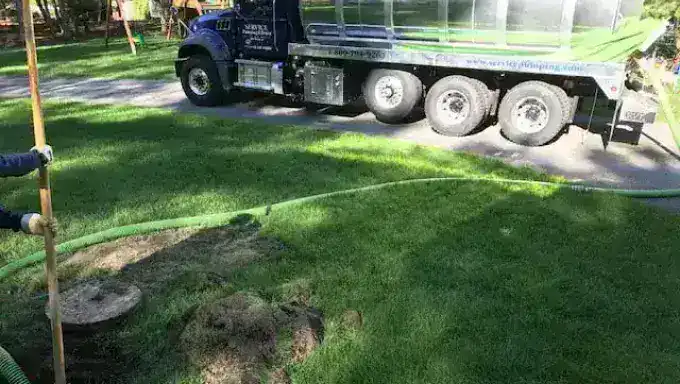
Septic system pumping involves removing liquid waste, floating solids, and sludge from the septic tank to keep the system running as it should without backups or leaks. This process is particularly critical for commercial systems, which have to process a higher volume of waste generated daily. Steps include:
- Removing sludge and floating waste from one or both compartments of the septic tank.
- Cleaning and inspecting the effluent filter if there is one.
- Pumping both sides of two-compartment septic tanks so that liquid is removed from one side and solids are pumped out of both sides.
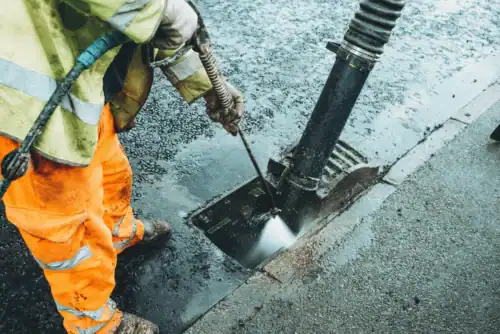
Our comprehensive services also include grease trap cleaning, storm drain cleaning, and video pipeline inspection, for a complete septic solution that covers your unique facility and its needs.
For commercial properties, inspectors and technicians also provide thorough documentation of the inspection, pumping, and any repairs made. This documentation is critical for several reasons, including:
- Tracking regular maintenance and repairs to the system.
- Complying with Massachusetts state requirements for preventing groundwater contamination.
- Demonstrating the facility’s alignment with safe water and environmental initiatives.
- Establishing a history of proactive maintenance and consistent pumping over time.
- Potentially lowering insurance premiums or validating insurance claims.
- Providing evidence of excellent maintenance to future buyers.
How Often Should a Septic Tank Be Pumped?
A general rule of thumb is to have septic tanks pumped every 1 to 3 years. However, the optimal frequency for your specific tank will depend on several factors like how many people it supports, its size, and the type of waste it collects. See our guide for more tips on septic tank pumping frequency.
It’s critical to remember that septic system pumping is not a “one and done” operation. If you’re wondering what to do after your septic system is pumped and how to keep it in good working condition longer, see our helpful tips for a healthy septic system on our septic system maintenance page. Without routine care, commercial septic systems can cause severe issues, from backups to environmental contamination.
Commercial Septic System Maintenance From Service Pumping & Drain Co.
Service Pumping & Drain Co. is a trusted commercial septic system maintenance provider across eastern Massachusetts. Our services include thorough diagnostics with advanced video technology, proactive repair services, managed septic system pumping schedules, and high-pressure cleaning. We’re committed to friendly, efficient service and top-notch work that helps our customers manage waste reliably and safely. Our team also offers 24/7 emergency services.
At Service Pumping & Drain Co., we’ve been working hard since 1927. Contact us today to schedule an appointment or to learn more about our service plans.