Septic Tank Cleaning Services

Homes and businesses that aren’t connected to city sewer systems instead use septic systems to treat wastewater. After wastewater flows into a septic tank, the weight of any solid waste will pull it to the bottom, with the liquids rising to the tank’s top. This fluid then disperses into drain or leach fields, where it drains into the soil and groundwater through natural filtration or simply evaporates. Bacteria will break down the solids.

Septic tanks need proper maintenance and routine pumping to prolong system life, sustain operational efficiency, and prevent system backups. Service Pumping & Drain Co., Inc.™ has been a trusted septic system maintenance company for nearly 100 years. Read on to learn about the cleaning process, why it’s important, and how our team can help.

Septic Pumping Process

Scheduled septic pumpings will keep your property free from overflowing waste and contamination. The process usually follows these five steps:

Accessing and Opening the Lid

Before our workers can access your tank, they must first uncover its lid — depending on when the system was installed, there can be up to 3 covers. Once they’ve opened the tank, they may need to replace your lid if it’s worn or corroded.

Pumping Out the Waste

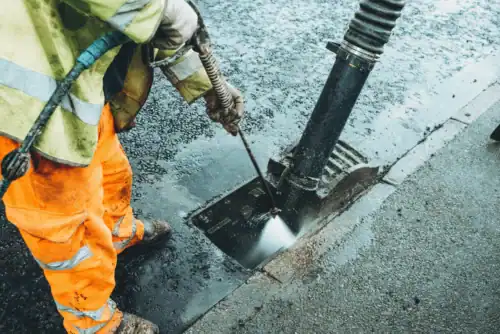
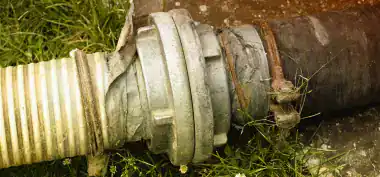
We use a vacuum truck and an attached high-power hose to suck out both the solid and liquid waste from the tank, down to the bottom. This helps prevent clogs in your leaching system.

Inspecting the Septic Tank

Our technicians will then check the inside and outside of your tank for cleanliness, as well as any damage or roots that might cause problems. They’ll also inspect the tank’s dividing wall and baffles.

Closing and Reburying the Tank Lids

After the inspection, our experts will close any lids and cover them back over. They may choose to install risers to facilitate access in the future.

Benefits of Commercial Septic Tank Cleaning

Cleaning your septic tank regularly is advantageous for humans, the environment, and the tank itself. Clean septic tanks safeguard people against health concerns from contamination, as well as foul odors. They prevent system backups, which would otherwise result in slow drainage and toilet flushing.
Well-maintained septic tanks keep your water sources and the nearby environment clean. As for the equipment, regular cleanings prolong the septic tank’s life cycle while improving its overall efficiency. This has a side benefit of saving you from future repair expenditures.

Tips to Maintain a Healthy Septic System

In general, you should pump your septic tank every one to three years. To determine the best schedule for your system, consider the size of your septic tank, how many people use your septic system, if any one of those people might be taking medications that might affect the tank’s friendly bacteria, and what graywater- and household waste-producing appliances you have.
For optimal functionality, maintain your system by:

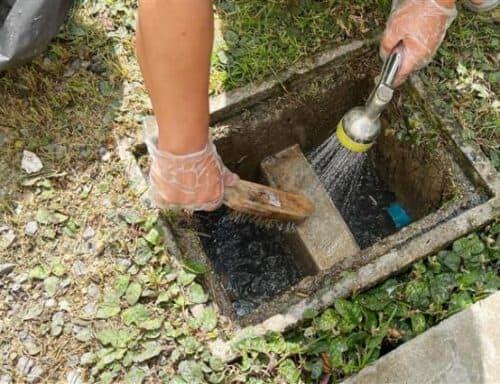
Regularly cleaning the system as well as any drains
Minimizing the amount of water passing into the tank, particularly at one time
Decreasing the amount of fat, grease, cleaners, and chemicals entering the tank
Keeping non-biodegradable items out of the septic system
Composting instead of using the garbage disposal
Watching for physical damage or plumbing leaks to address these immediately

If you’re a Massachusetts resident, you must comply with particular guidelines for septic system pumping and routine maintenance. The Code of Massachusetts Regulations (CMR) 310 CMR 15.351 states that septic tanks should be pumped as necessary to ensure effectiveness and adhere to manufacturer specifications.
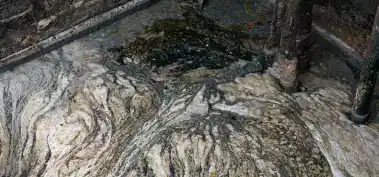
While it recognizes that septic tank pumping frequency is dependent upon use, CMR requires that pumping occur when the solid layer’s top is within 1 foot of the outlet tee’s base, or the layer of scum is within 2 inches of the outlet tee’s top or bottom. After pumping, the system pumper must submit the results to the approving authority within two weeks.

Residential Septic System Cleaning From Service Pumping & Drain Co.

Septic tanks require proper maintenance to ensure long-lasting effectiveness, and an experienced service provider will keep your system in optimal condition and fully compliant with local and state ordinances. To experience the Service Pumping & Drain Co., Inc. difference, partner with our trained experts, who provide commercial non-hazardous wastewater solutions and superior service to customers throughout Eastern Massachusetts. Contact us using our online form or give us a call at 1-800-794-9265 today.

Blogs/News

09 Apr 2026

Behind the Maintenance: How Often Should Commercial Storm Drains Be Cleaned?

Commercial storm drain and catch basin systems handle significantly more volume and debris after stormy winters and heavy rain events. Without regular storm drain cleaning, these systems can fail, often at the worst possible time. However, some key maintenance tips from cleaning professionals and a proactive approach to drain cleaning can keep systems running without interruption. Keep reading to learn more about commercial storm drain cleaning and maintenance from your local experts.

Read More
18 Mar 2026

How Does a Grease Trap Work?

Grease traps play an essential role in keeping commercial kitchens, food-service operations, and multi-unit facilities running smoothly. When fats, oils, and grease enter your plumbing system unchecked, they cool, harden, and cling to the inside of your pipes. Over time, this buildup can cause slow drains, backups, foul odors, and even costly shutdowns. A properly installed and well-maintained grease trap prevents those problems by capturing grease before it reaches your septic or municipal wastewater system.

Read More
11 Apr 2024

Grease Trap Pumping Tips

The key to managing wastewater and FOG remediation is regularly pumping out and cleaning grease traps and interceptors. Keep reading to learn more about how to maintain grease traps and how a provider like Service Pumping & Drain Co., Inc.™ can help.

Read More