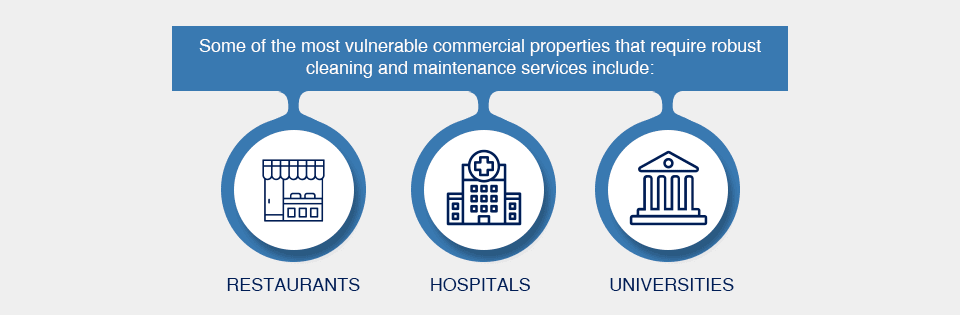
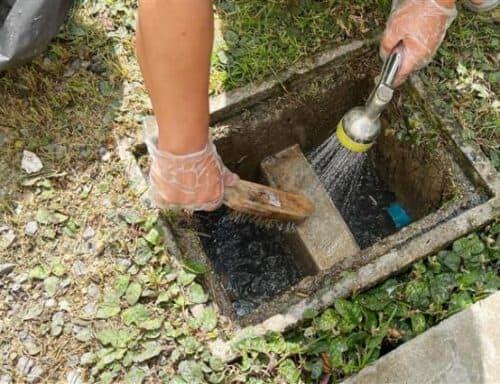
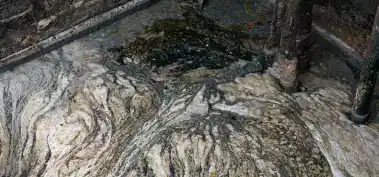
Restaurants have a lot of FOG waste that can’t be disposed of by pouring it down the sink. Every restaurant needs a grease trap that handles the residue and keeps it out of the municipal drainage system. However, the sheer volume of potential FOG buildup increases restaurants’ risk of developing blockages, drainage issues, and overflow.
Hospitals
Large-scale commercial buildings like hospitals have a lot of potentially hazardous waste and wastewater. This volume causes quick development of blockages and overflows. While these incidents can be catastrophic in most commercial locations, they are even more dangerous in hospitals with patients that are vulnerable to diseases or equipment and environments that must maintain stringent sterilization standards.
Universities
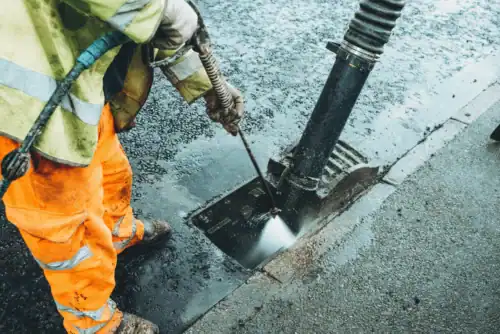
Sprawling university campuses have many of the same drainage risks that restaurants and hospitals have: large numbers of visitors, facilities where people live, eat, and bathe, and stringent safety standards the campus needs to comply with. Many universities also have dozens of parking lots that require frequent storm drain maintenance to mitigate the risk of flooded parking lots and buildings.
All Other Commercial Businesses
Every business is at risk for violating health codes or turning away customers when their storm drains, septic systems, or grease traps fail. Blockages can develop into expensive repair projects and cause reputational damage that hurts your bottom line.