Septic systems require regular maintenance and care. Spreading out water usage and keeping unwanted contaminants like fats, oils, and water softeners out help extend a septic system’s life. However, regular septic pumping appointments are still required to clear out accumulated solids. This page will discuss the importance of septic pumping, what it entails, and how it protects your septic system from damage.
Our Septic Pumping Service Offerings in Massachusetts
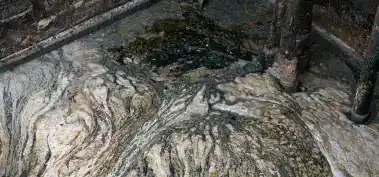
Septic systems require regular preventative maintenance to ensure consistent performance. Without routine services like health checks, septic pumping, and tank inspections, your facility or home may experience a septic backup and sludge build-up that quickly becomes toxic, dangerous, and costly.
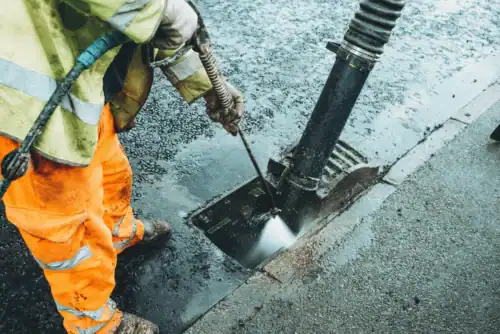
At Service Pumping & Drain, our septic pump services are clean, quick, and affordable. Along with septic and cesspool pumping, sewage pump-outs, and sludge removal, we provide the inspection, cleaning, and repair services you need to keep your system performing without interruption. We offer septic pumping in Massachusetts, including North Reading, Plymouth, and surrounding areas.
At Service Pumping & Drain Co., we specialize in routine septic tank pumping. While bacteria can break down many of the solids stored in your septic tank, professional tank pumping removes the remaining build-up of solids over time, so they don’t cause pressure in the tank or lead to subsurface soil seepage and groundwater pollution. According to the Massachusetts Department of Environmental Protection, septic tanks should be professionally pumped at least once every year on residential properties with garbage disposals. Commercial and industrial buildings should strictly follow pumping schedules and system recommendations.
Just because a system seems to perform adequately, that doesn’t mean there are no invisible leaks or sludge build-up within the system that may lead to a sewage backup on your property. Regular inspections and pumping appointments remove solids and build-up, ensuring your tank remains below its maximum threshold.
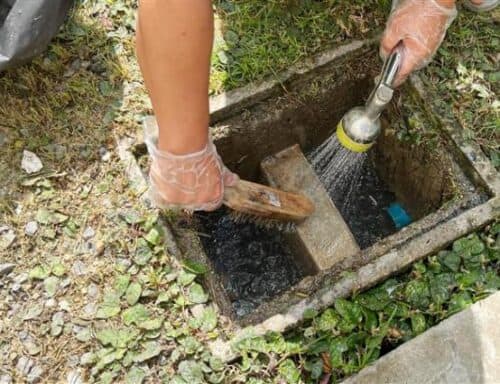
Septic tanks break down household and commercial waste with bacteria. Liquids are dispersed through the leach field and go safely into the surrounding soil, but solids fall to the bottom of the tank, where they build up over time and cause clogs. Our technicians pump the septic tank down to its bottom level during the pumping process to remove potential clogs and solids in the leaching system.
At the same time that our team provides septic pumping, we can also inspect your tank and the surrounding area for the following problems:
Cracks or corrosion in the tank to determine if the solid barrier is compromised and leaking into the surrounding subsurface soil.
Signs of water filtration that indicate a hard-to-find leak.
Potential signs of compromised structural integrity, such as bends, dents, or loosened fasteners in the tank.
Our technicians will also inspect the tank liquid level and the mainline to look for other potential interruptions to the tank’s performance. While solids should collect in the tank between pumping appointments, some solids and heavy household waste, including fats and oils, can get stuck in the mainline. We’ll verify that there are no obstructions.