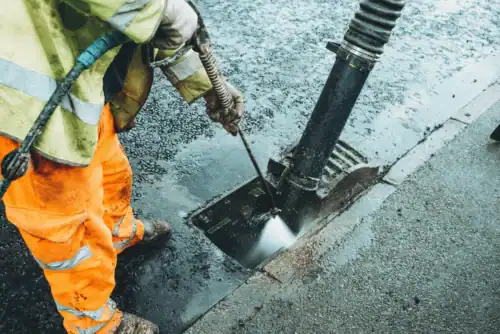
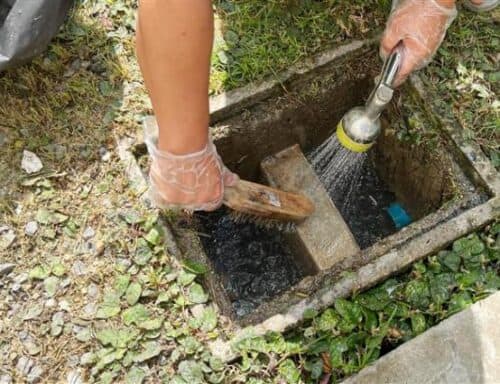
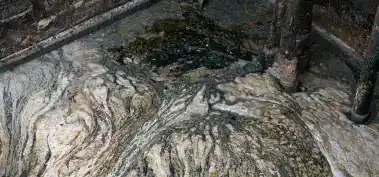
Cleaning grease traps is critical to the success and safety of any commercial food enterprise, whether it’s a restaurant, school, church, hospital, or nursing home. Fat, oil, and grease (FOG) solidifies over time when at room temperature, and without a proper cleaning, your grease trap will overflow and this FOG will enter your water drainage system.
This waste will then build up in your pipes, harming your plumbing and interfering with effective drainage. Should your waste become bad enough that it clogs up or contaminates the city’s sewage system, this can result in fines, a poor reputation, and costly closures for mandated cleanings. In addition to damage and related environmental concerns, FOG draws pests and, because it contains bacteria, can create an awful odor and unsanitary conditions.
According to Massachusetts regulations, grease traps must be installed on a separate building sewer so that kitchen flows discharging grease will enter a specially designed septic tank. The traps should then be inspected at least once a month by an operator or owner. Cleaning is required every three months — or sooner should the grease level reach about 25% of the trap’s depth — by a licensed septage hauler.