
Grease Trap Cleaning in Burlington, MA

At Service Pumping & Drain Co., Inc., we provide professional grease trap cleaning in Burlington, MA. We serve restaurants and commercial kitchens, universities, food processing plants, and hospitals. Large kitchens and food preparation facilities are particularly susceptible to overfull and dirty grease traps that can cause severe problems for the organization. For over 50 years, we have been serving our local community with routine and 24-hour emergency grease trap cleaning services so you can keep your kitchens running smoothly

How Is a Grease Trap Cleaned?

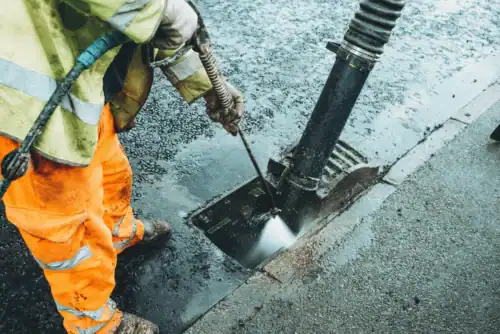
First, professional cleaners use shop vacuum equipment to remove fats, oils, and grease (FOGs) from the grease trap. Then the trap is thoroughly cleaned with a steel scrubber, soap, and water. This removes lingering buildup and eliminates odors from rancid FOGs. The sides, lid, and baffles of the trap must be completely clean to return the trap to proper operating condition.

If you want a more in-depth overview, expert cleaning services follow these key steps:

Locate the grease trap.

Depending on the size, age, and facility type, grease traps may be in different positions. There may also be multiple grease traps.

Identify the trap size.

Smaller commercial traps may be approximately 500 gallons, whereas large complexes will have traps as large as 2,500 gallons. Larger units will require professional cleaning equipment.

Remove FOGs.

Begin by removing the trap lid. Then use a shop vacuum to remove FOGs floating within the trap.

Clean the surfaces.

Scrape FOGs off of the sides, lid, and baffles to restore the trap to a clean condition.

Assess the trap.

Ensure all the FOGs are removed, and then close the lid.

Dispose of the FOGs.

Fats, oils, and greases must be disposed of properly so they don’t overwhelm
drainage systems.

Why Is It Important to Keep a Grease Trap Clean?

It is very important to regularly clean and maintain your grease trap. Otherwise, they pose a risk to the daily operations of the facility and could cause compliance issues with industry and hygiene regulations.

If the grease trap doesn’t undergo sufficient and regular cleanings, FOGs and solid food waste will build up in the tank. This can cause the trap to overflow, releasing waste back into the kitchen’s sink and dishwasher drains, which contaminates the kitchen and presents a risk to the sewage system.

Blogs/News

09 Apr 2026

Behind the Maintenance: How Often Should Commercial Storm Drains Be Cleaned?

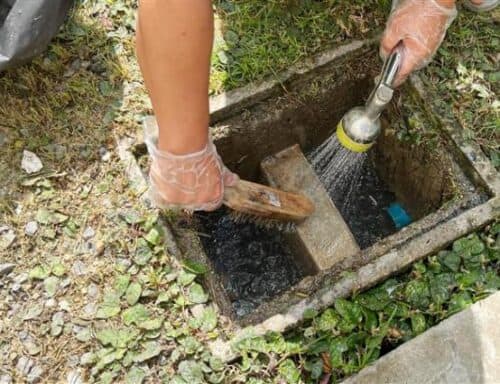
Commercial storm drain and catch basin systems handle significantly more volume and debris after stormy winters and heavy rain events. Without regular storm drain cleaning, these systems can fail, often at the worst possible time. However, some key maintenance tips from cleaning professionals and a proactive approach to drain cleaning can keep systems running without interruption. Keep reading to learn more about commercial storm drain cleaning and maintenance from your local experts.
Read More
18 Mar 2026

How Does a Grease Trap Work?

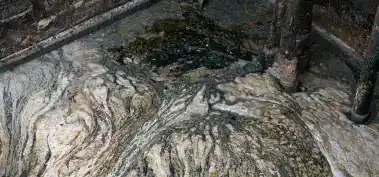
Grease traps play an essential role in keeping commercial kitchens, food-service operations, and multi-unit facilities running smoothly. When fats, oils, and grease enter your plumbing system unchecked, they cool, harden, and cling to the inside of your pipes. Over time, this buildup can cause slow drains, backups, foul odors, and even costly shutdowns. A properly installed and well-maintained grease trap prevents those problems by capturing grease before it reaches your septic or municipal wastewater system.

Read More
11 Apr 2024

Grease Trap Pumping Tips

The key to managing wastewater and FOG remediation is regularly pumping out and cleaning grease traps and interceptors. Keep reading to learn more about how to maintain grease traps and how a provider like Service Pumping & Drain Co., Inc.™ can help.

Read More